

The Climate Question
Gepresenteerd door BBC World Service
Waarom we het zo moeilijk vinden om onze eigen planeet te redden, en hoe we dat zouden kunnen veranderen.
Afleveringen

The solar power boom in Pakistan and the Philippines
<p>The Philippines and Pakistan are now the world's top solar panel importers. We find out why, and what other countries can learn from the boom!</p><p>Cheap solar panels, mainly imported from China, are transforming lives and slashing electricity bills across Asia. </p><p>In the last year, Filipinos have put up five times as many rooftop solar panels as the previous ten years combined. Installation companies are struggling to keep up with demand.</p><p>In Pakistan, where the boom started earlie
Can China build its way out of climate change?
<p>Huge construction projects are transforming China - think enormous dams, giant solar power farms and a vast high-speed rail network. Will Beijing's "engineering mindset" help it deal with climate change? </p><p>China's senior leadership is dominated by engineers, starting with President Xi, who trained as a chemical engineer in the 1970s. They have overseen megaprojects like the 50-kilometre bridge joining Hong Kong and Macau, and a plan to move water from southern China to the much drier nor

How will melting glaciers change Nepal?
<p>As shown by the recent flash floods, Nepali mountain communities are on the front line of climate change. Can they adapt?</p><p>Host Jordan Dunbar talks to two Sherpas who have become climate researchers. They are glaciologist Tenzing Chogyal Sherpa, and Pasang Yangjee Sherpa, who researches how global warming affects indigenous groups in Nepal.</p><p>This programme was recorded in July 2026.</p><p>Got a question for The Climate Question? Email us: <a href="mailto:theclimatequestion@bbc.com">

Can we cope with droughts?
<p>Europe is reeling from a record-breaking drought which has closed nuclear power stations, stopped river traffic and sent food prices soaring. And there may now be more intense droughts in some parts of the world because of climate change. </p><p>Our host Graihagh Jackson explores solutions from water usage apps in South Africa to solar irrigation systems in Egypt. She also looks at the challenges of adapting our energy infrastructure for a warming planet. </p><p>Her guests are Dr Iain Staffel
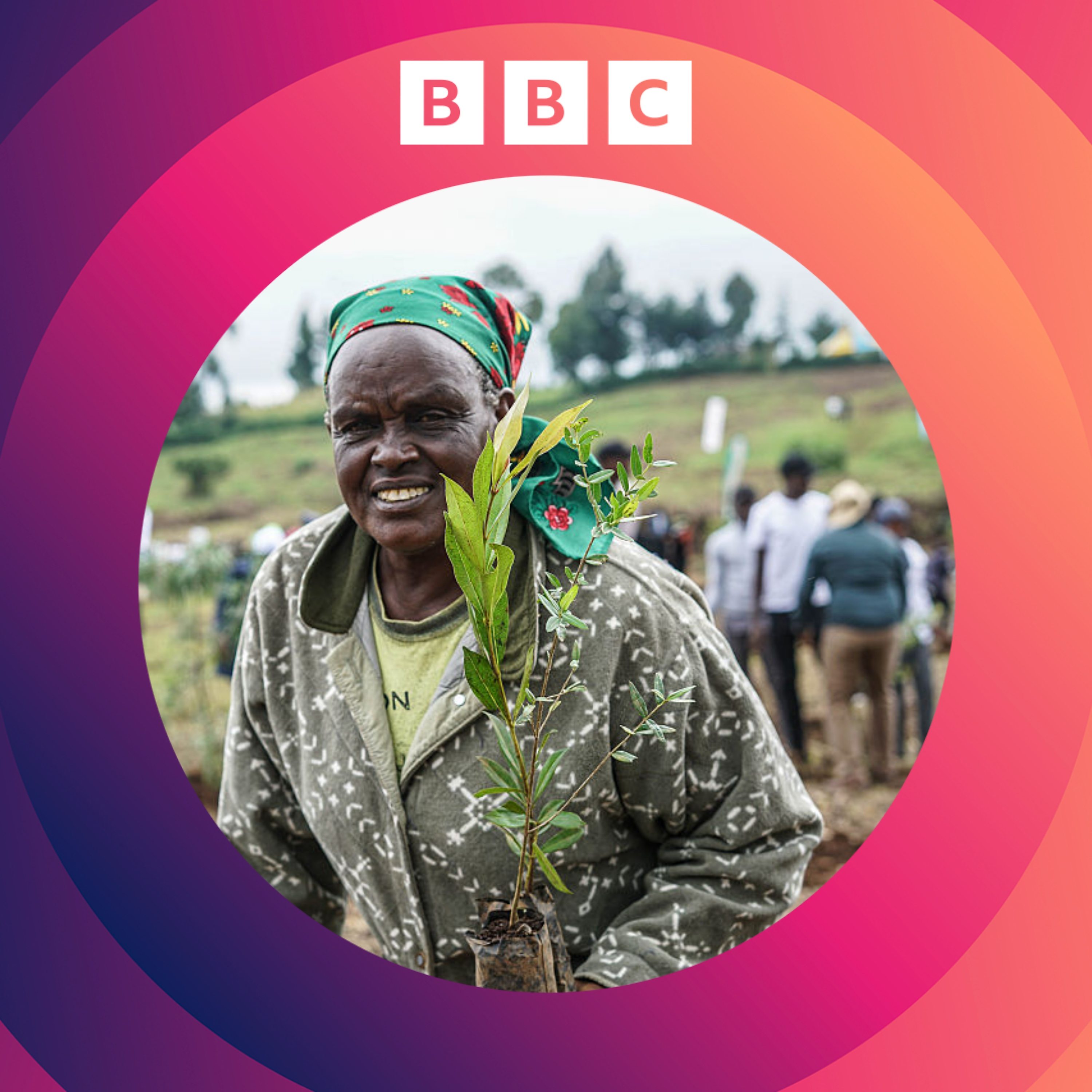
How do we save Africa's forests?
<p>African forests are vital for food and economic development, as well as for supporting millions of species of animals and plants. We find out how to protect them better with one of Africa’s top environmentalists! </p><p>From the giant Congo rainforest to the Kenyan highlands and the mangroves of Mozambique, Africa’s forests are some of the most spectacular places on Earth. And these sensitive ecosystems are not just important for Africa: they play a vital role in the global climate because th
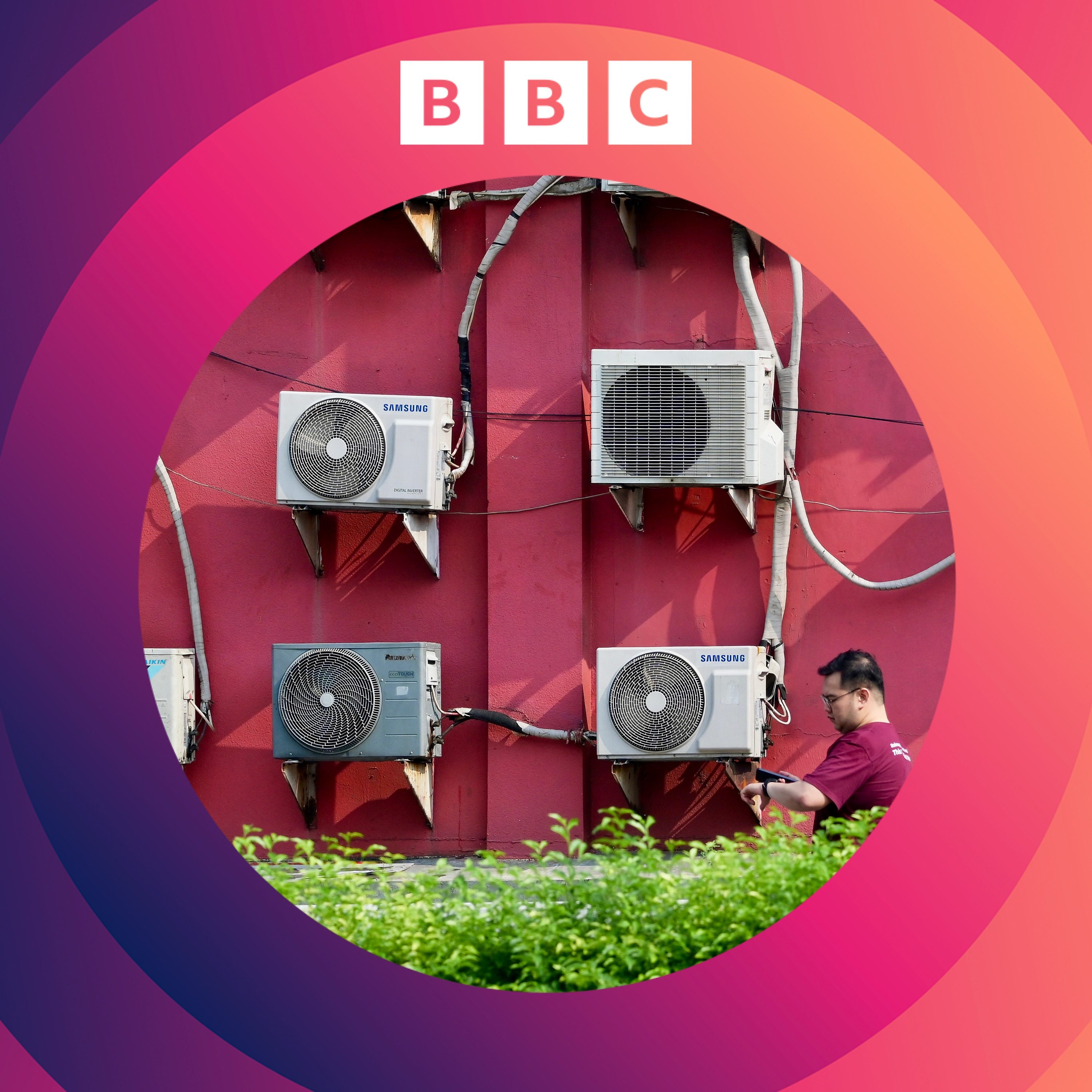
Is air conditioning the answer to extreme heat?
<p>Experts say we may now need to spend more on cooling our homes than heating them because of climate change. In fact, the International Energy Agency thinks the equivalent of 10 new air conditioners every second will be installed for the next 30 years! </p><p>This surge in air con will put strain on the world’s electricity grids, which are still mostly powered by fossil fuels. The units also pump heat into the streets outside our homes – making cities feel even hotter when we step outside. </p

Is this a new era of wildfires?
<p>Huge wildfires have been sweeping across Southern Europe and North America. Is climate change increasing the risk? And what can we do? </p><p>Weather experts say the world is starting to see new types of wildfire – including enormous Pyrocumulonimbus fire clouds that spit lightning and black hail.</p><p>These infernos can burn for more than a year. They can also spawn fire tornadoes, which move at more than 200 kilometres an hour, destroying everything in their path. </p><p>The Climate Questi
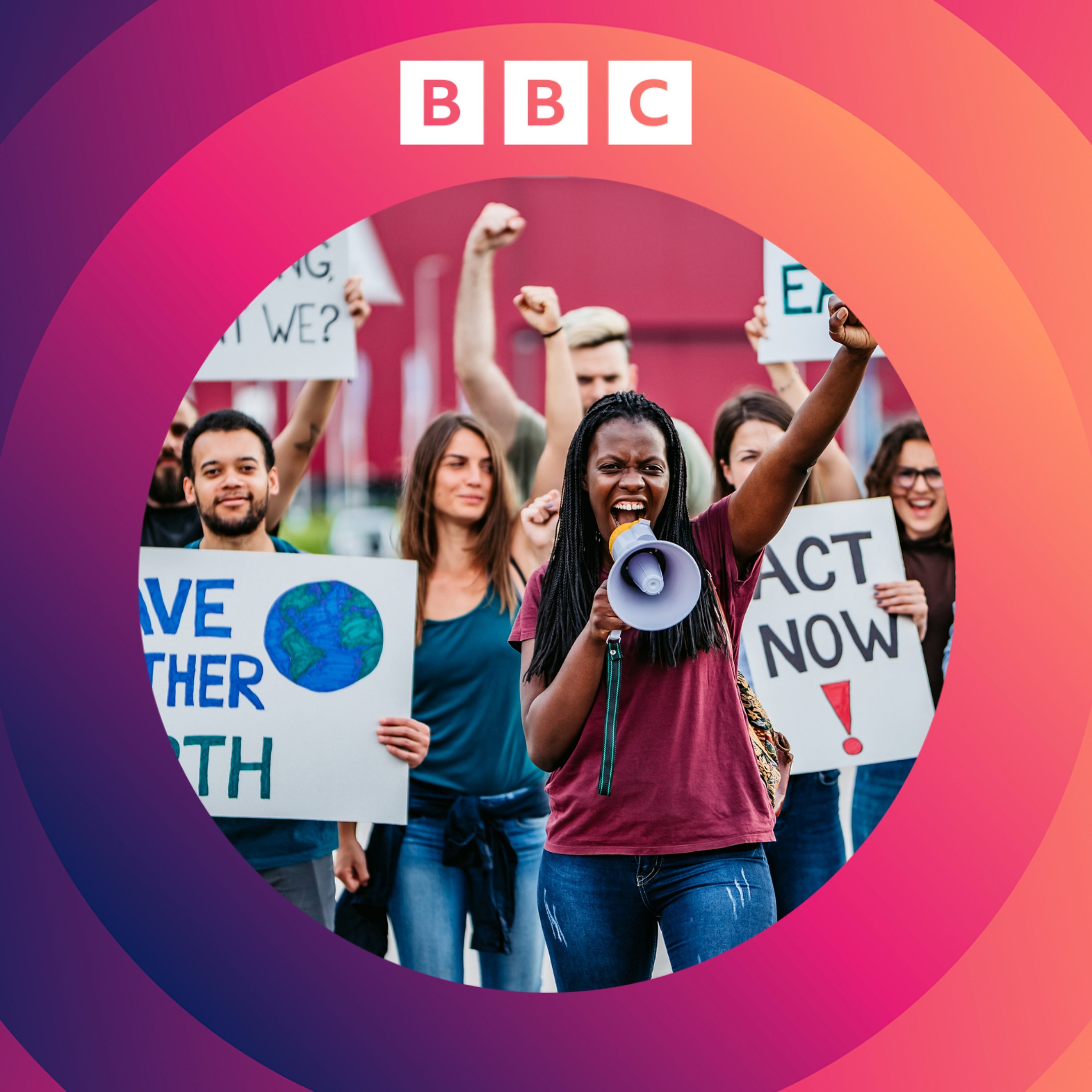
Do climate protests ever work?
<p>Climate activists have blocked highways, scaled oil rigs and even thrown soup at master artworks. But have protests ever made a difference? </p><p>The modern green movement started in the 1970s when Greenpeace sailed a fishing boat towards a nuclear test site in Alaska. It now encompasses everything from bake-ins and marches to Radiohead concerts. </p><p>A small minority of activists even favour breaking the law to raise awareness about climate change. Some of them have superglued themselves
Community
Podcast ClubMaak een account aan om mee te praten.
Heerlijk om naar te luisteren, wat een stem ook.
Precies wat ik vandaag nodig had.
Eerst koffie, dan deze aflevering. Perfecte start van de dag.
Echt een toffe aflevering, heb ervan genoten! 🎧
Wat een prachtig verhaal, blijf er nog over nadenken.
Blijf volgen, ben fan geworden.
De gast was fascinerend, leerde weer bij.
Deel dit meteen met mijn vrienden.